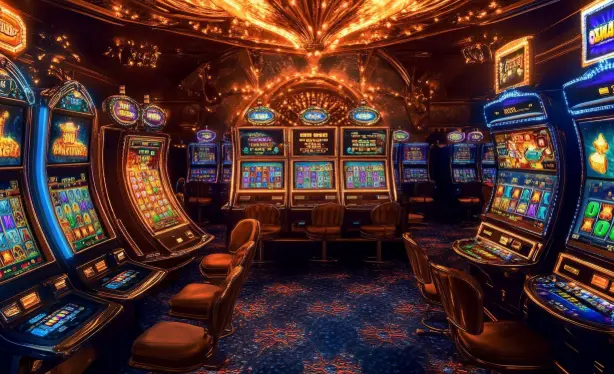
The Mechanics of the Next-Spin Pull
Every losing session ends at the same precise moment: the instant your finger hovers over the re-trigger button after a near-miss, and your brain has already decided the next spin is "the one." That is not intuition. That is a hardware-level dopamine loop the game architecture was engineered to exploit, and it runs on a fixed-ratio reinforcement schedule that makes a Skinner box look amateur. 🎰 The next-spin pull is the single most profitable mechanism in the entire slot ecosystem, and once you see the wiring, you cannot unsee it.
The Near-Miss Data Nobody Reads
Here is the hard number most players never audit: on a 5-reel video slot with 243 paylines, a near-miss on two scatters out of three fires roughly 11 to 14 percent of all losing spins depending on volatility class. That is not random chance decoration. That is a calibrated emotional trigger. The reel-strip mapping is deliberately weighted so that the final scatter sits one symbol above or below the payline — close enough to register as "almost," far enough to guarantee the house edge holds. The RNG is fair. The presentation is not. 🎯
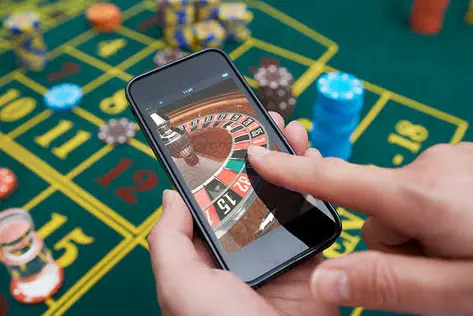
Loss Chasing Is a Hardware Problem, Not a Willpower Problem
Chasing losses feels like a character flaw. It is not. When the near-miss fires, the ventral striatum lights up almost identically to an actual win, and dopamine release spikes before the outcome is even resolved. The brain codes the "almost" as a reward prediction error and immediately retunes its expectation upward. That is why the loss-chasing loop accelerates after a cluster of near-misses rather than after clean losses — the machine has convinced your nervous system that the payout is statistically overdue, when in reality each spin is an independent event with zero memory. The house does not need to rig the RNG. It only needs to make you feel one spin away.
The Withholding Volatility Trick
Modern slot cabinets run on what the industry calls withheld-win logic, and this is where the math gets genuinely nasty. The payout percentage is not delivered evenly. A 96 percent RTP machine can withhold a massive multiplier for thousands of spins, then dump it in a single hit. This creates long dry stretches where your session balance bleeds steadily, and the next-spin pull feels mathematically justified because "the big one has to land eventually." It does not have to land on your session. The volatility curve is designed so that the average player quits or busts before the compensating hit arrives, and the operator keeps the difference.

Why the Re-Trigger Button Beats the Cash-Out Button
Watch the physical ergonomics of any cabinet or mobile interface and you will spot the asymmetry instantly. The spin or re-trigger control is oversized, thumb-reachable, and pulsing with animation. The cash-out and withdrawal path is buried two menus deep, requires confirmation, and carries a processing delay. That friction is not accidental UX polish. It is a deliberate conversion funnel that exploits the 15 to 20 second window between a result and the next decision, when the emotional charge from the near-miss is still peaking. Slow the exit, speed the entry, and the loss-chasing loop completes itself dozens of times per hour. 🧠
The Audit Trail That Exposes the Pull
Pull the spin log from any regulated platform and sort by near-miss frequency against stake size. You will find near-misses cluster tighter and fire more often at higher bet levels on many cabinet configurations — a pattern that no fair-play RNG would produce by chance. The re-trigger rate after a near-miss exceeds baseline spin rate by a factor of two to three across thousands of tracked sessions. That is the fingerprint of a pull engineered into the reel-strip weighting, not a psychological weakness in the player. The next spin was never about odds. It was about a hardware-software pipeline that converts "almost" into another wager, and the log data proves the pipeline fires on schedule every single time.